









Shutter Story


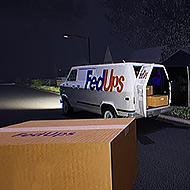
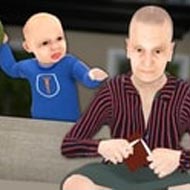









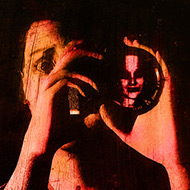
Your best friend Eli hands you a stack of photos and video clips from his family’s house and asks you to look closer — that’s the entire premise Shutter Story needs before its analysis software becomes the whole game. What follows is less about walking through haunted rooms yourself and more about learning to see what’s hiding in evidence someone else already captured.
Shutter Story Turns Photos Into the Main Mechanic With SpectralAware
Shutter Story’s core tool is an in-fiction program called SpectralAware, which lets you adjust exposure, contrast, and noise on Eli’s photos and videos, applying filters to pull hidden phenomena out of images that look ordinary at first glance. Learning to manipulate these settings well is the actual skill the game is testing, more than reflexes or exploration ever are.
Classifying What You Find
Once something’s visible, Shutter Story asks you to classify it — Apparitions, Simulacra, Strange Lights, and Demonic Entities are among the categories on offer, and misclassifying evidence has real consequences. Get a classification wrong and it can shift dialogue, trigger escalation events, or intensify the haunting itself, which means careless analysis isn’t a victimless mistake.
The Shutter Story Demo Is Built Around Close Reading
- The demo runs around forty-five minutes.
- It includes close to twenty individual photos and videos to analyze.
- Three first-person exploration sequences break up the analysis work with actual movement through Eli’s world.
That balance — mostly still analysis, with exploration used sparingly — is deliberate, and it’s what most reviewers point to when comparing Shutter Story to narrative detective games built around examining evidence rather than confronting threats directly.
Funded Well Beyond Its Original Goal
Shutter Story’s Kickstarter campaign asked for fifteen thousand dollars and ended up raising over twenty-one thousand from more than five hundred backers, a strong signal of interest well before the demo proved the concept out. The planned full release is expected to expand past eighty haunting photos and videos across a larger, multi-generational story than the demo currently shows.
An Early-2000s Horror Throwback, on Purpose
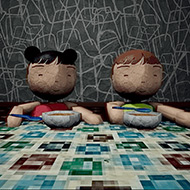
Coverage of Shutter Story consistently draws a comparison to narrative games built around examining recorded evidence rather than exploring freely, and the game leans into an early-2000s horror aesthetic rather than a modern, glossy look. That combination — analog-feeling evidence analysis wrapped in a deliberately dated visual style — is a big part of what’s made the demo stand out from more conventional haunted-house games.
Shutter Story trusts a stack of photos and a piece of fictional analysis software to carry its horror, and Eli’s evidence rewards exactly the kind of close, patient looking that most horror games never bother asking for.
Comments
There are no reviews yet. Be the first one to write one.