











Tiger Simulator 3D









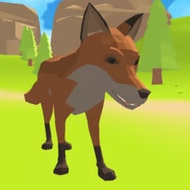





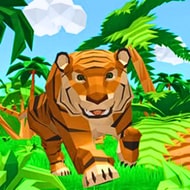
A starting tiger in Tiger Simulator 3D can lose a fight to something smaller than it — an odd fact for a game built around playing an apex predator, and one that shapes how carefully new players actually approach hunting once they realize size doesn’t automatically mean safety.
Tiger Simulator 3D’s Hunting and Family Loop
The core loop asks you to hunt for food as you roam an open habitat, but survival is only half of what the game is about. Finding a mate and starting a tiger family — raising up to four cubs — turns Tiger Simulator 3D into as much a management game as a predator sim, since a growing family means more mouths to feed and more individuals to protect from the habitat’s dangers.
Not Every Family Member Levels the Same Way
- Attack, energy, and life points can each be upgraded individually per family member, rather than as one shared pool.
- Skills unlock over time that improve speed or make gathering resources more efficient.
- Appearance customization, including skins and hats, lets you tell family members apart at a glance once your pack grows.
Because upgrades are tracked per tiger rather than for the family as a whole, a cub you’ve neglected can lag noticeably behind a parent you’ve invested in, which changes how you prioritize hunts as the family gets bigger.
Reading the Habitat Before You Commit
Not everything roaming the map is worth fighting. The game distinguishes between peaceful and dangerous creatures, and learning to tell them apart from a distance — before committing to an attack — matters more than raw combat stats early on. Some players find early combat oddly balanced, since a starting tiger’s attack can do noticeably less damage than some of the smaller wildlife it runs into, making the first few encounters feel harder than the “apex predator” framing suggests.
What Tiger Simulator 3D Offers Beyond Hunting
- Hunting specific named animals as directed objectives, rather than open hunting.
- Searching the map for ancient artifacts scattered across the habitat.
- Fireworks-related activities that break up the hunting-and-family loop with something more festive.
These quest types give the open world a bit of direction without turning it into a strict checklist, which is roughly the same design philosophy this simulator series uses across its other animal titles.
Controls stay consistent with the rest of the series — WASD or arrow keys to move, left-click to attack, Space to jump, Shift to run — so the challenge in Tiger Simulator 3D comes from managing a family and reading the habitat, not from a complicated control scheme standing between you and your next hunt.
Comments
There are no reviews yet. Be the first one to write one.