










Tiny Bunny


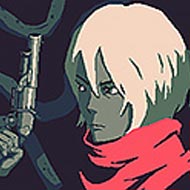








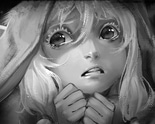
You step off a train into a Siberian village you have never heard of, carrying boxes into a house that already feels like it is watching you settle in. That is where Tiny Bunny begins, and within a few in-game days the quiet countryside setting starts working against you. Yasha, the teenage boy at the center of the story, is dealing with a move he never wanted, a family under strain, and a little sister whose nightmares are getting worse by the week.
| Genre | Horror Visual Novel |
| Setting | Rural Siberian village |
| Format | Episodic, choice-driven narrative |
| Protagonist | Yasha |
Yasha’s First Weeks in the Village
Early in the game, Tiny Bunny plays like a slow, grounded drama more than a horror game. Yasha is awkward around new classmates, self-conscious about his own nature, and quietly resentful of the parents who dragged the family out here. The dialogue choices during this stretch do not look like they matter, but they shape how other villagers read Yasha later, and returning players know that small talk in episode one has a way of resurfacing far past the point where you expected it to.
The village itself is written with a specific kind of tired, half-abandoned charm. Snow-covered fences, half-lit windows, neighbors who say too little and then suddenly too much. Community discussion around Tiny Bunny frequently circles back to how ordinary this opening stretch feels, which is exactly why the shift into folk horror lands so hard once it starts.
By the time you reach the sister’s first nightmare sequence, the game stops pretending to be a slice-of-life story. Objects in dream logic bleed into the waking house, and small details from earlier conversations start meaning something entirely different.
The Sister’s Nightmares That Define Tiny Bunny
Yasha’s younger sister becomes the emotional center of Tiny Bunny’s horror. Her nightmares are not just spooky set pieces; they are treated as information, half-riddles about the village that Yasha has to interpret using what he picked up from locals. Players who skim dialogue tend to miss the connective tissue here and end up confused about why certain endings trigger.
This is also where the local superstition players call the “eyelid game” becomes relevant, a piece of village folklore that recurs at moments when the story wants you unsure whether Yasha is asleep, awake, or something in between. It is one of the few beats in Tiny Bunny that genuinely changes how a first-time player experiences a quiet scene, since after learning about it you start reading every drawn-out silence differently.
Reading the Village’s Rules in Tiny Bunny
Beginners often play Tiny Bunny like a normal point-and-click mystery, hunting for a single correct answer. That is a mistake. The game rewards paying attention to contradictions between what villagers say and what Yasha actually witnesses, and several major reveals only make sense in hindsight, once a second playthrough lines them up against earlier dialogue.
- Conflicting testimony: villagers rarely agree with each other, and the gaps matter more than any single statement.
- Dream-logic clues: nightmare sequences hide details that pay off scenes later.
- Silent choices: some of the heaviest moments give Yasha no dialogue option at all, and that absence is itself a choice.
What players get wrong on a first run
New players often chase a “correct” path the way they would in a puzzle game, expecting one clean explanation for the village’s secrets by the credits. Tiny Bunny resists that, and it is a fair complaint that some players walk away frustrated rather than satisfied. Some answers stay deliberately incomplete, and forums built entire threads out of players comparing which lines Yasha heard versus which lines the game only showed to the reader.
Frequently Asked Questions About Tiny Bunny
Does Tiny Bunny explain everything by the end?
No. Tiny Bunny leaves several threads intentionally open, particularly around the true nature of the sister’s nightmares and how much of the village’s folklore is literal versus a shared local delusion. Part of the appeal for returning players is comparing theories rather than getting one confirmed answer.
Do choices in early episodes actually matter later?
Yes. Dialogue choices Yasha makes with classmates and neighbors early on affect how those characters behave in later confrontations, and some of the game’s darker scenes only appear if specific earlier conversations were handled a certain way.
Why do players talk about the eyelid ritual so much?
The village superstition around drawing eyes on closed eyelids is one of Tiny Bunny’s most memorable pieces of folklore, and it resurfaces at key tense moments, making it one of the details new players are told to watch for before starting.
What keeps people coming back to Tiny Bunny is not jump scares, since there are surprisingly few of them, but the way an ordinary village and an anxious teenage narrator slowly stop being reliable. Yasha never gets to be just a bored new kid for long, and once his sister’s nightmares start bleeding into daylight, the game turns a quiet Siberian winter into something you keep thinking about after closing the tab.
Comments
There are no reviews yet. Be the first one to write one.