














FIFA Soccer















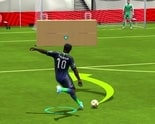
FIFA Soccer looks like a straightforward eleven-versus-eleven match from the menu screen, but it plays like three or four different games stitched together depending on which mode a player actually opens. A full ninety-minute simulation match, a squad-building card mode, and a small-sided street format all sit under the same title, and each one rewards a completely different set of habits.
| Genre | Football Simulation |
| Modes | Match simulation, squad building, street football |
| Core Skills | Passing, timing tackles, formation management |
What a Real Match in FIFA Soccer Actually Rewards
The core match engine punishes players who treat every possession as a sprint toward goal. Patient buildup play, stringing together short passes to draw defenders out of position before attempting a through ball, consistently outperforms rushing a striker down the wing, especially against opponents who sit back in a compact defensive shape.
Defensively, timing matters more than raw stats. A mistimed tackle in FIFA Soccer gives away a dangerous set piece or an open lane, while a well-timed one, held rather than mashed, wins the ball cleanly and starts a counter-attack of your own.
Building a Squad That Actually Works Together
The squad-building side of FIFA Soccer is less about collecting the highest-rated cards and more about chemistry, how well players actually perform together based on shared clubs, leagues, and nationalities. Beginners tend to chase individual star ratings and end up with a squad that looks impressive on paper but underperforms on the pitch because half the lineup barely has chemistry with the rest.
- Formation fit: a formation that suits your squad’s strengths matters more than copying whatever the highest-rated pros use.
- Chemistry links: players from the same league or nationality boost each other’s in-match performance.
- Skill moves: flashy moves look good in clips but cost possession badly if mistimed under real pressure.
What beginners get wrong in FIFA Soccer
New players sprint at every opportunity and try to dribble through packed defenses, which usually ends in a lost ball. FIFA Soccer rewards recognizing when to slow a possession down and shift the ball across the pitch to find a gap, rather than forcing a play through traffic.
The Street Football Side of FIFA Soccer
Away from full stadiums, the smaller street-format mode strips the game down to tighter spaces, no offside rule, and a much faster pace built around individual skill moves and quick one-twos. It rewards a completely different rhythm than the full match mode, and players who only practice traditional eleven-a-side football often find themselves outpaced the first few times they try it.
Frequently Asked Questions About FIFA Soccer
- Does chemistry actually affect match performance in FIFA Soccer? Yes, low chemistry noticeably affects passing accuracy and player responsiveness, which is why a squad of individually strong but disconnected players often underperforms a more cohesive lineup.
- Is the street football mode worth learning if I only play full matches? It builds close-control habits, tight turns and quick passing under pressure, that carry over well into tighter spaces during a normal match.
Whether the appeal is the tactical patience of a full match, the squad-building puzzle of chemistry links, or the fast improvisation of the street format, FIFA Soccer keeps all three feeling distinct enough that most players settle into one mode as a favorite while still dipping into the others when the mood shifts.
Comments
There are no reviews yet. Be the first one to write one.